Water-to-Water Heat Pump

Water-to-Water Heat Pump

The Most Efficient Groundwater Heating Solution

A water-to-water heat pump is the most efficient heat pump technology, using groundwater at a stable 7–12 °C to deliver outstanding heating and cooling performance. With SCOP values above 8, it operates quietly, reliably and independently of outdoor weather. This guide explains functionality, advantages, planning and costs.

How a Water-to-Water Heat Pump Works

Understanding How a Water-to-Water Heat Pump Works

Understanding How a Water-to-Water Heat Pump Works

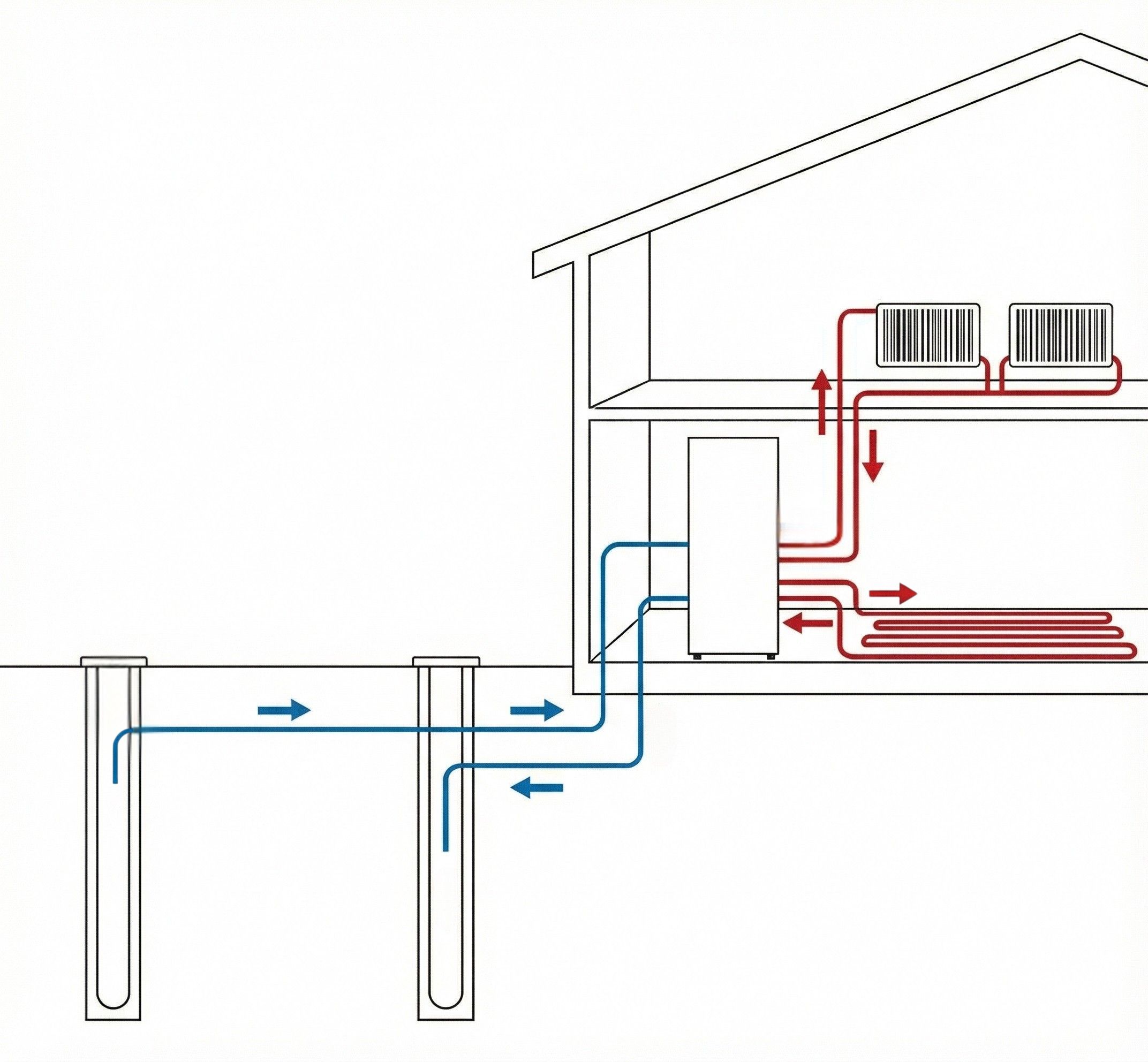
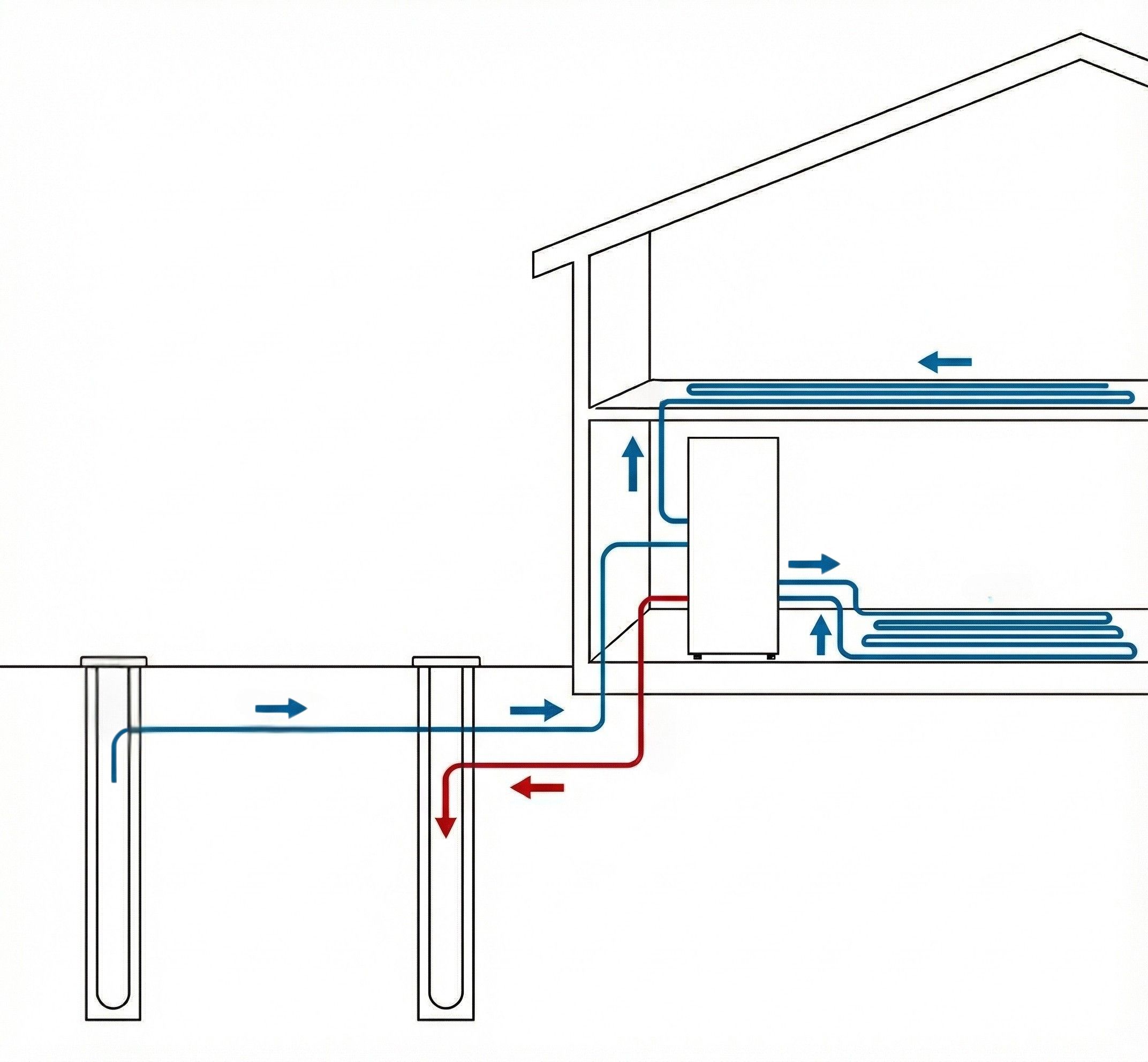
A water-to-water heat pump uses groundwater as a stable heat source for heating and domestic hot water.

How the process works:

  • Groundwater extraction: Water is pumped from an extraction well at a stable temperature of 7–12 °C.

  • Heat transfer: The groundwater flows through the heat pump, where its thermal energy is absorbed by the refrigerant.

  • Compression: A compressor raises the refrigerant temperature to a usable level for heating the home.

  • Reinjection: The cooled groundwater is returned to the earth through a reinjection well, typically 2–4 °C colder than when it entered.

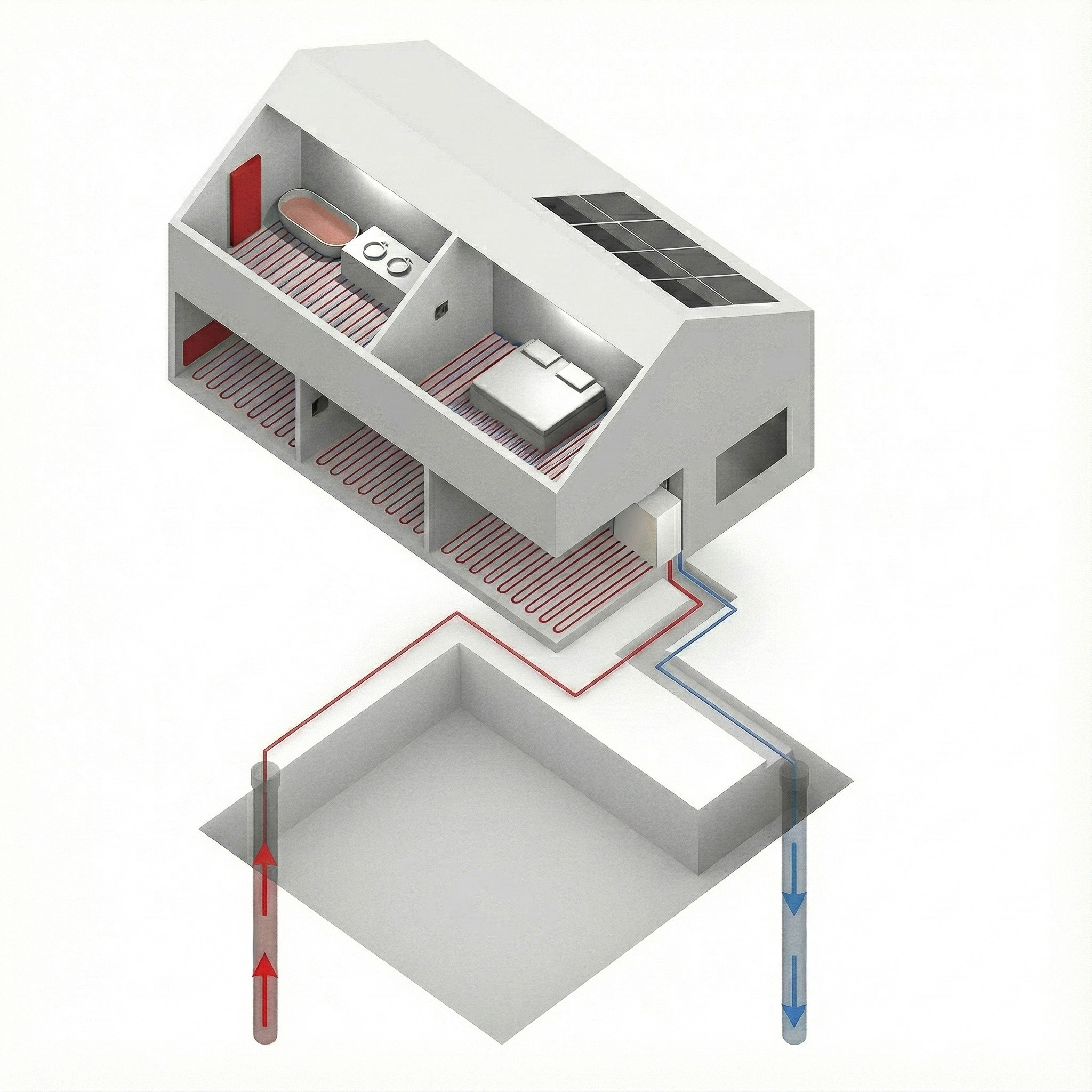
A Water-to-Water Heat Pump Requires Two Wells

A Water-to-Water Heat Pump Requires Two Wells

+

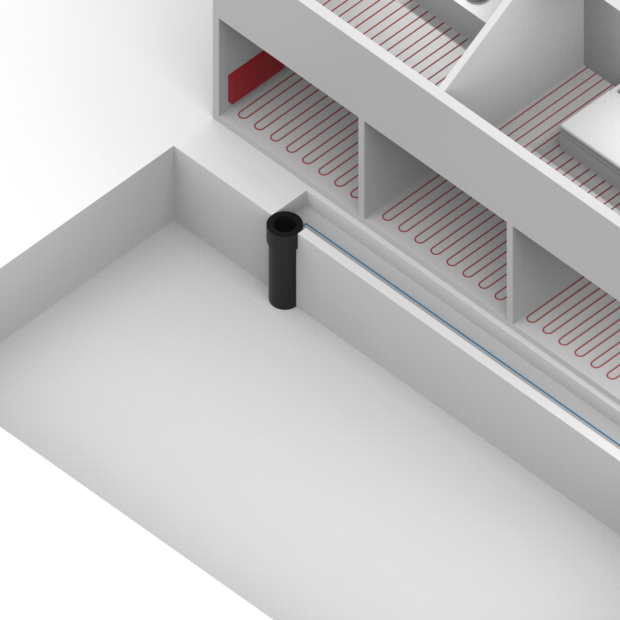
A water-to-water system relies on two structurally independent wells to function correctly.

The two-well system:

  • Extraction well: Draws groundwater to the heat pump.

  • Reinjection well: Returns cooled water back into the ground.

Key installation requirements:

  • Distance between wells: Recommended 15–20 m to prevent thermal short-circuiting.

  • Water quality: Must be suitable for long-term operation (sediment, iron, manganese, hardness are checked).

  • Aquifer capacity: Must support continuous pumping during peak heating loads.

  • Proper construction: Ensures long service life without contamination or clogging.

How Does a Water-to-Water Heat Pump Heat?

How Does a Water-to-Water Heat Pump Heat?

+

Heating is achieved by extracting thermal energy from groundwater and converting it into usable heat for the home.

Heating process:

  1. Groundwater enters the heat pump at 7–12 °C.

  2. Heat exchanger transfers energy from water to the refrigerant.

  3. Compressor increases the refrigerant temperature to the desired heating level.

  4. Heat is distributed through floor heating, radiators, or domestic hot water systems.

Performance advantages:

  • The stable groundwater temperature allows SCOP values above 8.

  • The system delivers consistent output even during freezing outdoor conditions.

  • Electricity consumption is significantly lower compared to air-source heat pumps because the compressor works less aggressively.

How Does a Water-to-Water Heat Pump Cool?

How Does a Water-to-Water Heat Pump Cool?

+

Water-to-water heat pumps can provide very efficient cooling by reversing the heat transfer process.

Cooling process:

  • Heat is extracted from the home and transferred into the groundwater.

  • The reinjection well returns this slightly warmer water to the earth.

  • Groundwater absorbs heat naturally, enabling low-energy or passive cooling.

Why cooling is so efficient:

  • Groundwater remains cool and stable during summer, unlike outdoor air.

  • Passive cooling requires minimal compressor operation, reducing energy use.

  • Compared to traditional air conditioning, running costs can be up to 60–80% lower, depending on building design.

Understanding How a Water-to-Water Heat Pump Works
A Water-to-Water Heat Pump Requires Two Wells
How Does a Water-to-Water Heat Pump Heat?
How Does a Water-to-Water Heat Pump Cool?
Everything You Need to Know About Heat Pumps

Planning a Water-to-Water Heat Pump System

Water-to-water heat pumps require careful planning to ensure the aquifer, geology and well system can reliably support long-term operation. Proper analysis and system design are crucial for achieving maximum performance, efficiency and durability.

– 01
Geological & Groundwater Analysis

A hydrogeological survey confirms groundwater availability, flow rate and depth. This ensures the aquifer can support continuous extraction throughout the heating season.

– 02
Water Quality Assessment

Testing for iron, manganese, sediment and hardness determines whether filtration or an intermediate heat exchanger is required to protect the system.

– 03
Well Positioning & System Design

Extraction and reinjection wells must be placed typically 15–20 m apart to avoid thermal short-circuiting. Proper pump sizing, piping design and filtration secure long-term performance.

– 04
Professional System Planning

Correct heat pump dimensioning, circulation pump selection and integration with the building’s heating system ensure cost-efficient installation and optimal SCOP values.

Everything You Need to Know About Heat Pumps

Permits and Regulatory Requirements

When permits are required

When permits are required

Because a water-to-water heat pump relies on groundwater as its energy source, the installation almost always requires specific permits before drilling or construction can begin. Drilling for wells typically needs regulatory approval, as authorities must confirm that the system will not negatively impact the aquifer or surrounding environment.

Permit requirements vary by state, region, and municipality. Local water authorities may have different rules for groundwater protection, minimum well depth, reinjection methods, and documentation standards. In many cases, you must submit a hydrogeological report, water quality analysis, and technical plans for both the extraction and reinjection wells.

Obtaining the correct permits ensures that the system complies with environmental regulations and can legally be installed. Legal compliance is essential to begin installation, and completing the permitting process early helps avoid delays later in the project.

When permits are required

Pros and Considerations of a Water-to-Water Heat Pump

Water-to-water heat pumps are among the most efficient renewable heating solutions available. Their performance, comfort, and operating cost advantages make them a preferred choice for homeowners seeking long-term sustainability and stable system performance.

Extremely High Efficiency

Groundwater maintains a stable temperature of 7–12 °C year-round, allowing heat pumps to operate at optimal efficiency. Water-to-water heat pumps commonly achieve SCOP values up to 8, while ETERA reaches an exceptional SCOP of 8.48 for outstanding heating and cooling performance.

Environmentally Friendly & Low Operating Costs

+

Because the system relies on renewable groundwater heat, energy consumption is significantly lower compared to conventional systems. This leads to long-term cost savings and a reduced carbon footprint.

Reliable Year-Round Comfort

+

Stable groundwater temperatures ensure consistent heating performance, even during very cold winter periods when air-source heat pumps face greater demand. Cooling is equally efficient thanks to passive heat rejection into the ground.

Quiet and Unobtrusive Operation

+

All components are installed indoors or underground, meaning no visible outdoor unit and minimal noise – ideal for urban areas or homes with visual or acoustic restrictions.

Long System Lifespan

+

With proper planning and well construction, water-to-water systems provide decades of stable operation thanks to low thermal stress and consistent source temperature.

Professional Planning and Well Construction Required

+

Because the system relies on groundwater, proper geological analysis, well placement, and engineering design are essential. This ensures long-term efficiency, sustainability, and regulatory compliance.

Higher Initial Investment Compared to Air-Source Systems

+

The need for drilling extraction and reinjection wells increases upfront cost. However, the investment is often balanced by significantly lower operating costs and higher efficiency over the lifetime of the system.

Local Permits and Approvals Are Needed

+

Groundwater extraction typically requires environmental permits. Completing the permitting process ensures the system meets local regulations and groundwater protection standards.

Costs and Pricing of a Water-to-Water Heat Pump

Installing a water-to-water heat pump involves both upfront investment and long-term financial benefits. While drilling wells and system setup require higher initial costs compared to other heat pump types, the exceptionally low operating costs, very high efficiency, and long service life create a strong return on investment over time. Many homeowners benefit not only from significant yearly savings, but also from increased property value and a heating solution designed to serve multiple generations.

its exceptional efficiency and stable groundwater temperatures. The following comparison shows how much of the annual heating cost each system typically requires, assuming 100% = cost of a traditional oil or gas system,  clearly demonstrating why water-to-water systems are considered a long-term investment in both energy performance and property value.

Heating System Initial Investment Efficiency Long-Term Savings Cooling Capability Savings vs Oil/Gas
Water-to-Water Heat Pump Higher, with strong long-term value ★★★★★ ★★★★★ 65–75% savings
Ground-to-Water Heat Pump Medium–high, long-lasting value ★★★★☆ ★★★★☆ 55–65% savings
Air-to-Water Heat Pump Medium ★★★★☆ ★★★★☆ 35–55% savings
Gas Boiler Low ★★☆☆☆ ★★☆☆☆ Baseline
Oil Boiler Low-medium ★★☆☆☆ ★☆☆☆☆ Baseline / higher cost
Read More About Costs of Heat Pumps

Subsidies for a Water-to-Water Heat Pump in the EU

Water-to-Water Heat Pump — the Most Efficient Groundwater Heating Solution

Across the European Union, water-to-water heat pumps are eligible for a wide range of national, regional, and municipal subsidies that support renewable heating technologies. These programs commonly offer grants, tax reductions, or low-interest financing that can significantly reduce the upfront investment, including well drilling and system planning.

Many funding schemes cover a portion of:

  • Installation and drilling costs

  • System design and planning

  • Energy efficiency improvements during renovation

Thanks to these incentives, the payback period becomes shorter, and the investment becomes even more attractive for homeowners looking to switch to a highly efficient, renewable heating system.

Water-to-Water Heat Pump — the Most Efficient Groundwater Heating Solution

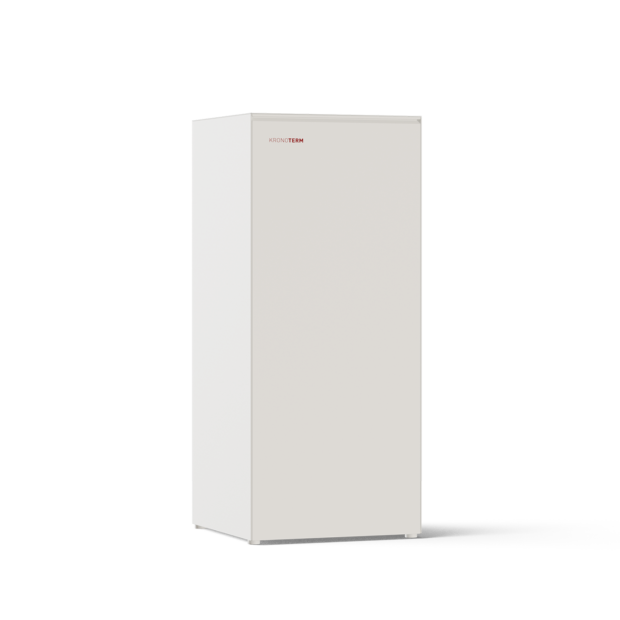
Water-to-Water Geothermal Heat Pump ETERA

Discover ETERA
Maximum Efficiency from Groundwater

ETERA uses the stable 7–12 °C temperature of groundwater to achieve exceptional seasonal efficiency (SCOP up to 8.48). This ensures consistently low running costs, high heating performance even in extreme winter conditions, and the added advantage of highly efficient passive cooling in summer — all from a single, renewable energy source.

Maximum Efficiency from Groundwater
Compact, Quiet and Designed for Modern Living

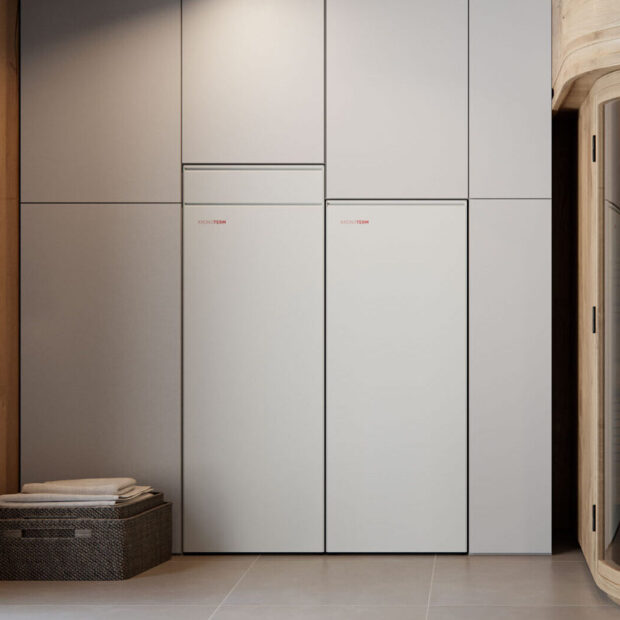
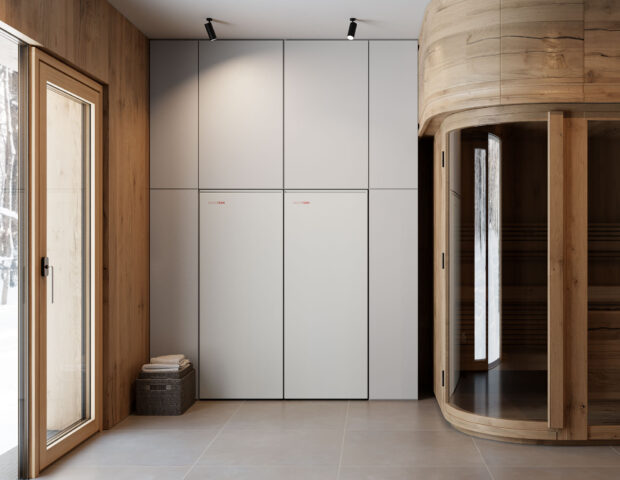
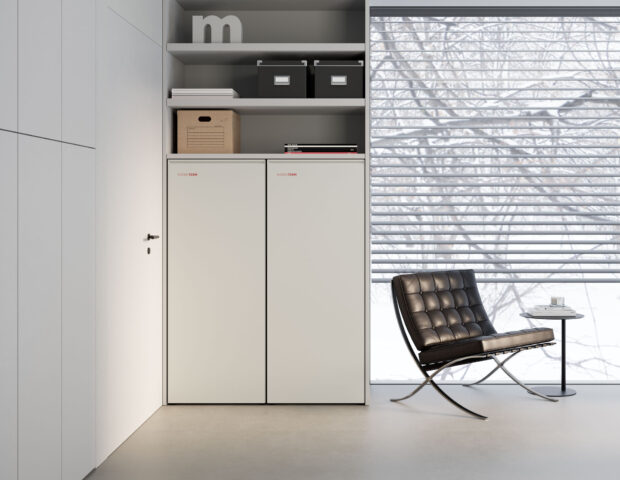
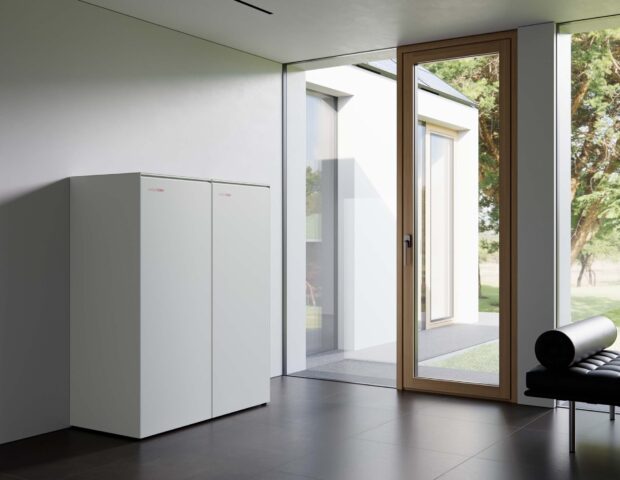
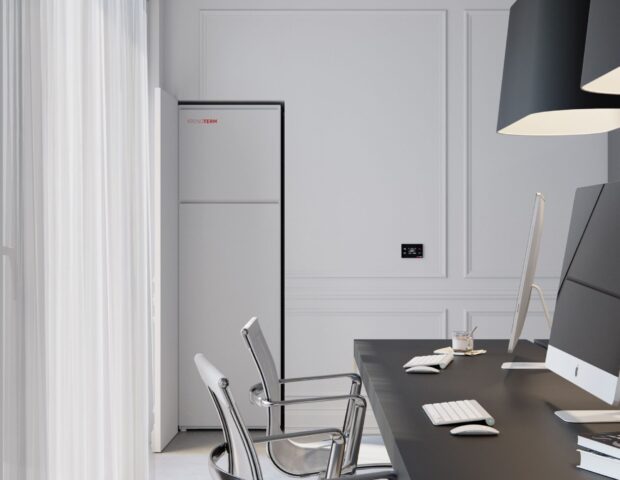
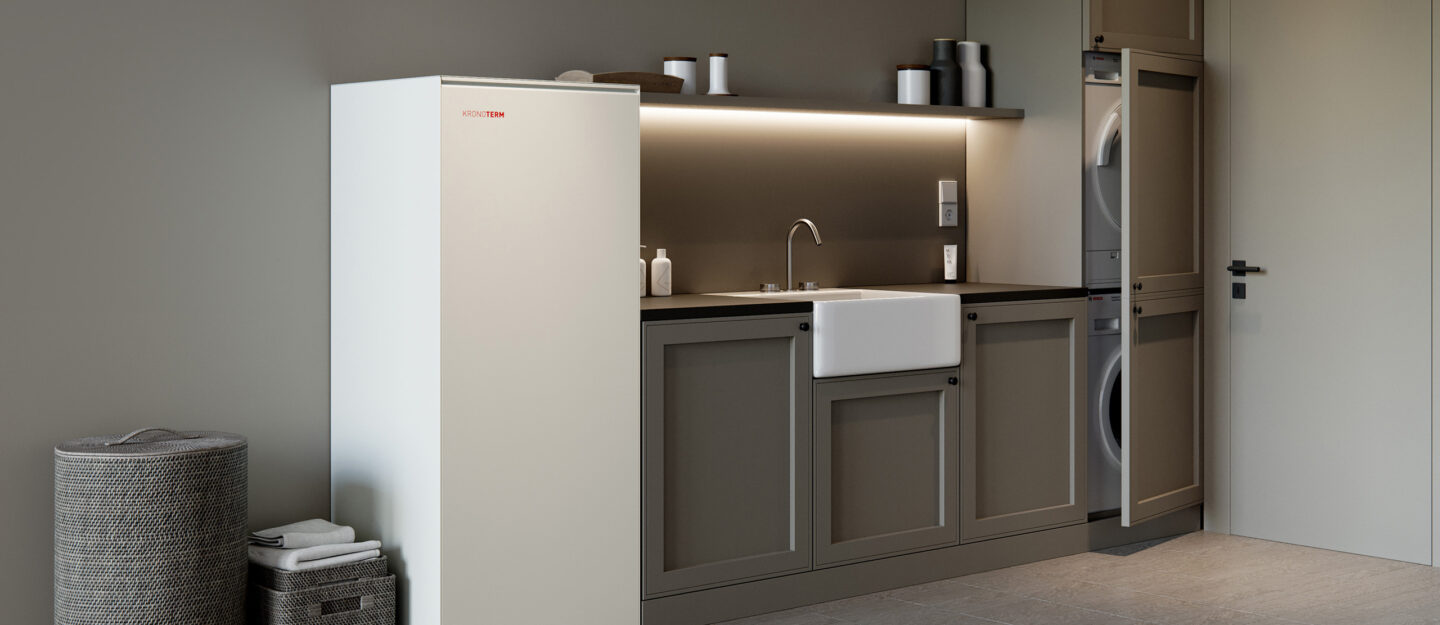
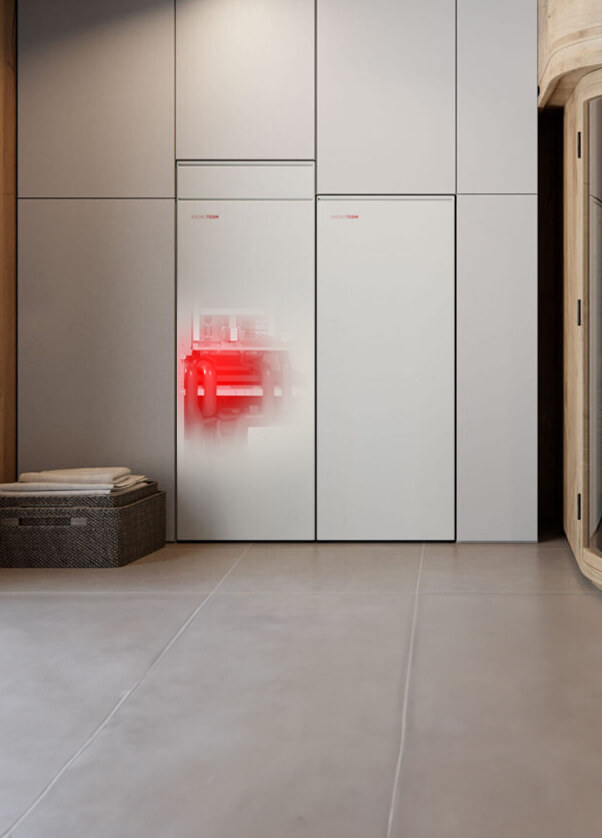
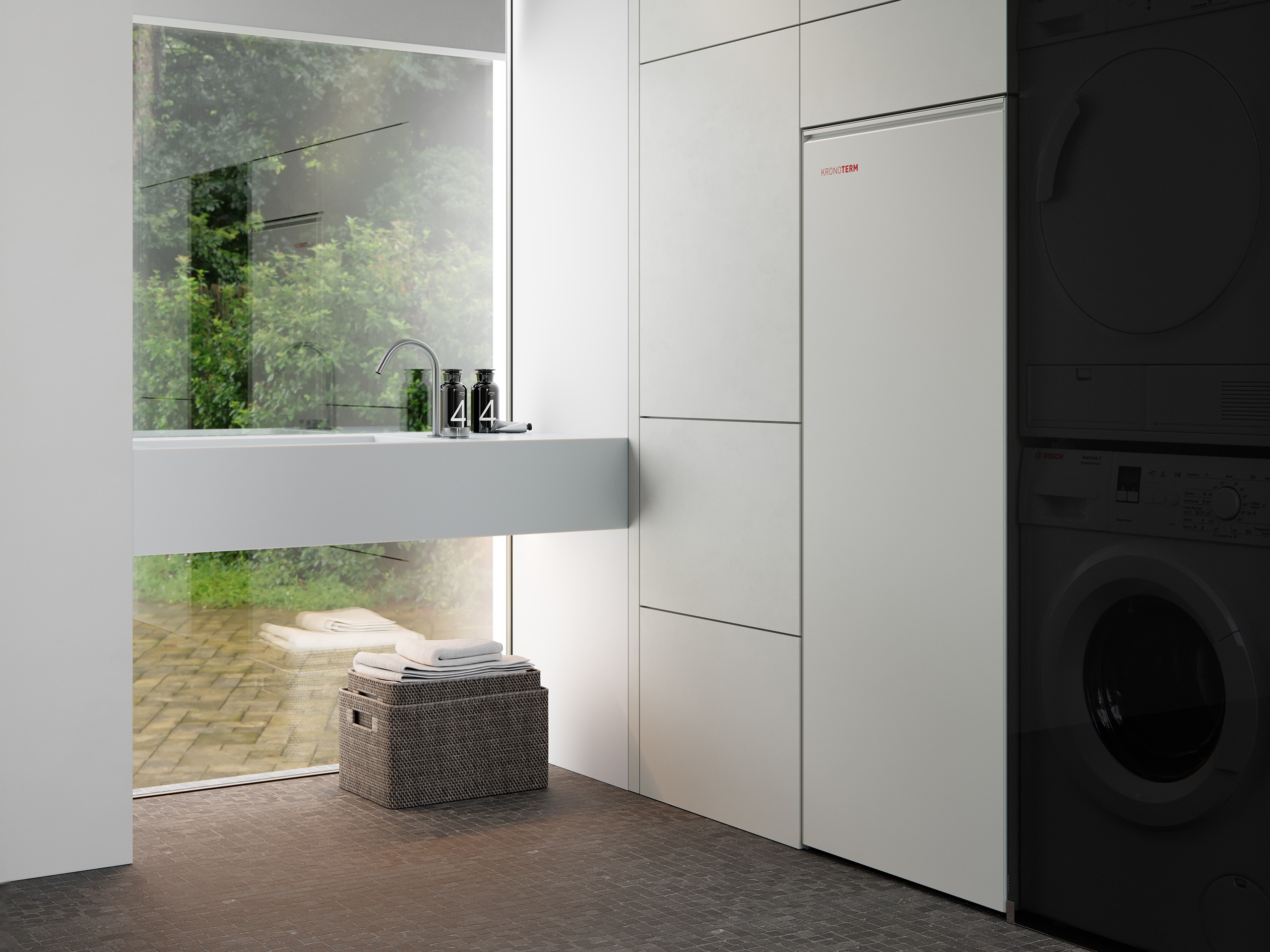
Built for homes where space and comfort matter, ETERA consolidates the entire heating system into a sleek indoor unit occupying less than 0.5 m². With near-silent operation and clean architectural lines, it fits seamlessly into small utility rooms, technical spaces, or minimalist interiors without visual or acoustic disruption.

Smart, Future-Ready Heating System

ETERA is engineered for long-term reliability and intelligent operation. With cloud-based control, smart-grid readiness, and compatibility with PV systems, it optimizes energy use automatically and gives homeowners full insight into performance, temperature settings, and operating modes. The result is a modern heating solution that adapts to your lifestyle — and to the future of renewable energy.

Smart, Future-Ready Heating System
A Multi-Generational Investment That Increases Property Value

With a water-to-water heat pump, the boreholes themselves become a permanent asset of the property. Designed to last far longer than individual heating systems, boreholes can outlive several generations of heat pumps, making them a true lifetime investment for the home.

Thanks to exceptionally low operating and heating costs, the system significantly reduces long-term energy expenses. This combination of durable ground infrastructure and high efficiency increases property value, improves long-term market appeal, and positions the building as future-ready for generations to come.

8,48
seasonal capacity (SCOP)
Condition: low-temperature heating regime in an cold climates
3–18
kW heating power
depending on ETERA model S, M or L
27
dB noise level
Noise level at a distance of 1 m
0,5
m2 space occupancy
floor area of the heat pump

Frequently Asked Questions

– 01

How exactly does a water-to-water heat pump work?

It extracts heat from groundwater through an extraction well, transfers this energy to the heating system, and returns the cooled water to the aquifer via a reinjection well. The stable groundwater temperature (7–12 °C) ensures high efficiency all year.

– 02

How much does it cost to install a water-to-water heat pump?

+

Costs vary by drilling depth, geology, and system size. Installation is higher due to well drilling, but running costs are very low thanks to exceptional efficiency. Many EU countries offer subsidies to reduce upfront costs.

– 03

What requirements does my property need for the system?

+

Your property must have suitable groundwater availability, enough space for two wells (typically 15–20 m apart), and regulatory approval for drilling. A hydrogeological assessment confirms feasibility.

– 04

Are there any state subsidies for groundwater heat pumps?

+

Yes. Many EU and national programs offer grants or financial incentives for renewable heating systems, including water-to-water heat pumps. These can significantly reduce investment costs.

– 05

How long does the installation take, including drilling the well?

+

The drilling and installation process typically takes several days to a few weeks, depending on geological conditions, well depth, and system complexity.

– 06

Is the system also suitable for cooling in summer?

+

Yes. Water-to-water heat pumps can provide efficient cooling, using groundwater to absorb heat from the home with minimal electricity consumption.

– 07

How long does a water-to-water heat pump last on average?

+

With proper installation and groundwater conditions, the system can operate for several decades, while wells can last generations.

Read More