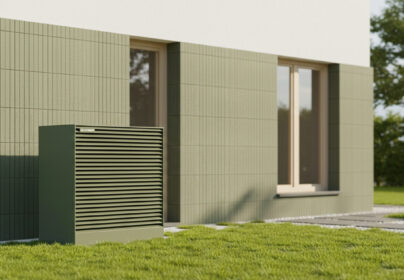
Required Flow Temperatures
Radiator systems typically require stable operation at higher water temperatures. A suitable heat pump must be designed to operate reliably at flow temperatures up to 75 °C, without relying on auxiliary heating.


How to Heat Your Home Without Underfloor Heating
A heat pump with radiators is a proven and efficient solution for homes without underfloor heating. Modern heat pumps are fully compatible with existing radiator heating systems, making them ideal for renovations and older houses across Europe.
With the right radiator size, flow temperature, and system settings, a heat pump with radiators can deliver high comfort, low energy consumption, and reliable performance. This guide explains how it works, how to optimise efficiency, and how to choose the right radiator-ready heat pump.

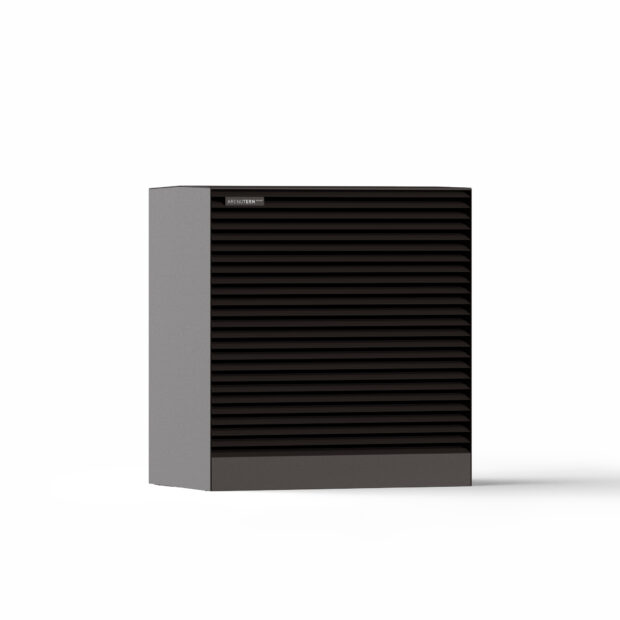
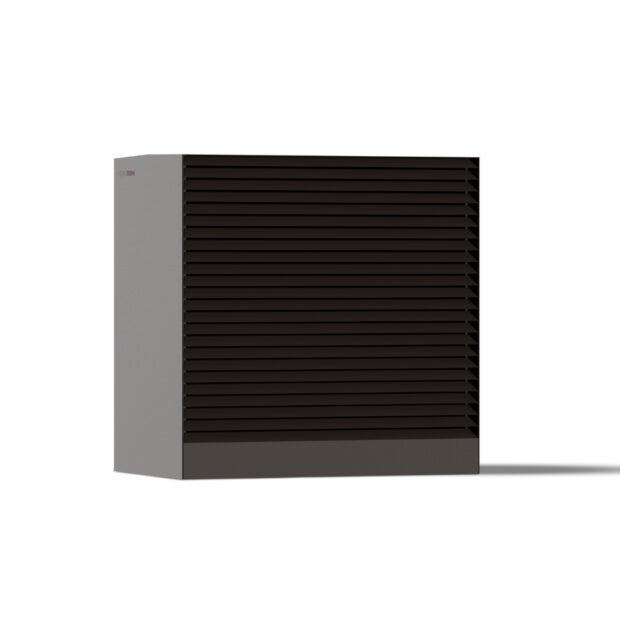
Yes, modern high-temperature heat pumps can operate highly efficiently with existing radiators, even in older uninsulated homes. Thanks to advanced inverter technology and natural refrigerants like R290, systems like the KRONOTERM ADAPT can achieve flow temperatures of up to 75 °C, completely eliminating the need for underfloor heating.
What Makes a Heat Pump Work Well with Radiators?
This is one of the most widespread myths. Underfloor heating is efficient, but it is not a requirement. Modern air-to-water heat pumps are widely used with radiator-based heating systems, especially in renovation projects. KRONOTERM develops and designs heat pumps specifically to operate with radiators as well as underfloor heating, making them suitable for both new builds and existing homes. Many homeowners believe that traditional cast iron radiators or older sectional radiators must be replaced. In fact, cast iron has excellent thermal mass (heat retention). High-temperature heat pumps can easily maintain a stable temperature in these systems, delivering consistent comfort while keeping electricity consumption low.
Radiators do typically require higher water temperatures than underfloor systems and modern heat pumps are engineered for exactly this scenario. KRONOTERM heat pumps are designed to operate reliably with flow temperatures up to 75 °C, allowing efficient and stable heating with existing radiator systems, including in older houses with higher heat demand.
In most homes, this is not necessary. Most existing radiators already provide sufficient heat output. If optimisation is required, it is usually limited to specific rooms rather than a full system replacement. A professional system assessment determines whether any adjustments are needed.
Modern heat pumps are developed for real European climate conditions. When correctly sized and configured, they provide consistent indoor comfort through radiators even during prolonged cold weather, without relying on additional heating sources.
Heat pumps can work with a wide range of radiator types. Suitability depends on radiator heat output, system design, and the heat pump’s required flow temperature. KRONOTERM heat pumps are designed to operate with existing radiator systems, including in renovation projects.
| Radiator type | Suitability | What to know |
|---|---|---|
| Low-temperature radiators | ✔✔✔ Ideal | Designed specifically for heat pump systems. Deliver high heat output and comfort across a wide operating range. |
| Modern panel radiators | ✔✔✔ Ideal | Large heat-emitting surface makes them highly effective with modern heat pumps, including at flow temperatures up to 75 °C. Very common in renovated homes. |
| Older steel or cast-iron radiators | ✔✔ Suitable | Often perform well due to their large mass and surface area. Frequently compatible with radiator-ready heat pumps without replacement. |
| Small or undersized radiators | ✔ Depends | Suitability depends on room heat demand. Optimisation may be needed in selected rooms rather than across the whole system. |
Correct system optimisation plays a key role in comfort, efficiency, and long-term reliability. The following measures help ensure that a heat pump and radiator system performs as intended.
Ensures even heat distribution across all radiators, prevents cold rooms, and avoids unnecessary energy use. Proper balancing is essential for stable operation in radiator-based systems.
Correct flow settings allow radiators to heat evenly and ensure the heat pump operates within its optimal range, reducing cycling and improving comfort.
Intelligent system control ensures stable indoor temperatures and efficient operation throughout the heating season. Modern heat pumps are designed to adapt output dynamically to real demand.
In some rooms, increasing radiator surface area can improve heat distribution. This is often a targeted adjustment rather than a full system replacement.

The efficiency of the system depends on the entire heating circuit, not just the heat pump. Two simple habits keep flow temperatures low, where the heat pump is most efficient:
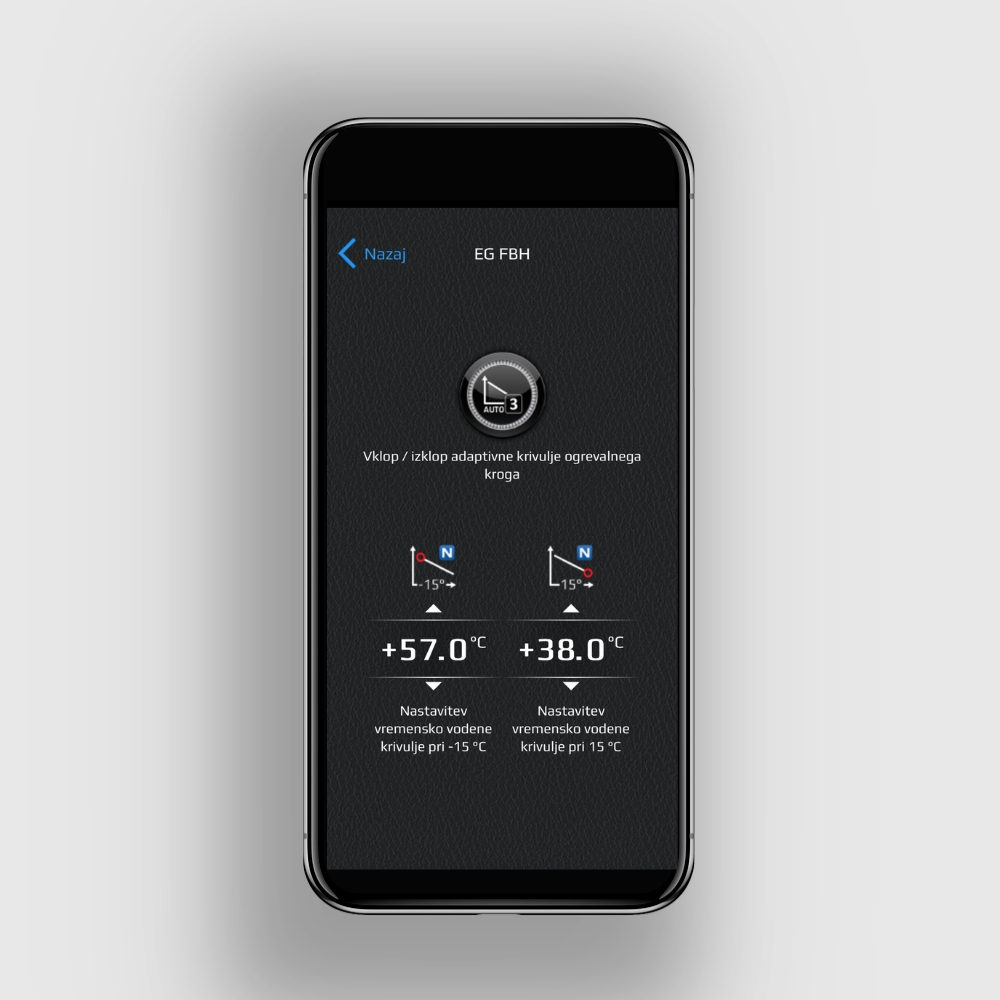
The heating curve defines how the heat pump automatically adjusts the flow temperature of the heating water based on the outdoor temperature. As outside temperatures drop, the system increases the supply temperature to maintain comfortable indoor conditions without manual intervention.
In radiator-based systems, the heating curve is one of the most important parameters for stable comfort and efficient operation.

A correctly set heating curve ensures that:
radiators receive enough heat at the right time
indoor temperatures remain stable, even during weather changes
the heat pump operates smoothly without unnecessary starts and stops
energy consumption is kept under control
Heat pumps designed for radiator operation, such as KRONOTERM heat pumps, are built to work reliably across a wide operating range, including flow temperatures up to 75 °C, making proper curve adjustment especially effective

The heating curve typically consists of two key settings:
Curve slope – determines how strongly the flow temperature increases as outdoor temperature drops
Curve offset – fine-tunes the overall temperature level without changing the slope
Together, these settings allow the system to respond precisely to real heating demand rather than running at a fixed temperature.

Modern heat pumps use intelligent control logic to support heating curve optimisation. KRONOTERM heat pumps continuously adapt output to real operating conditions, reducing manual intervention while maintaining consistent comfort throughout the home.
Existing radiator systems can usually be integrated with modern heat pumps without replacement, when the system is correctly assessed and configured.
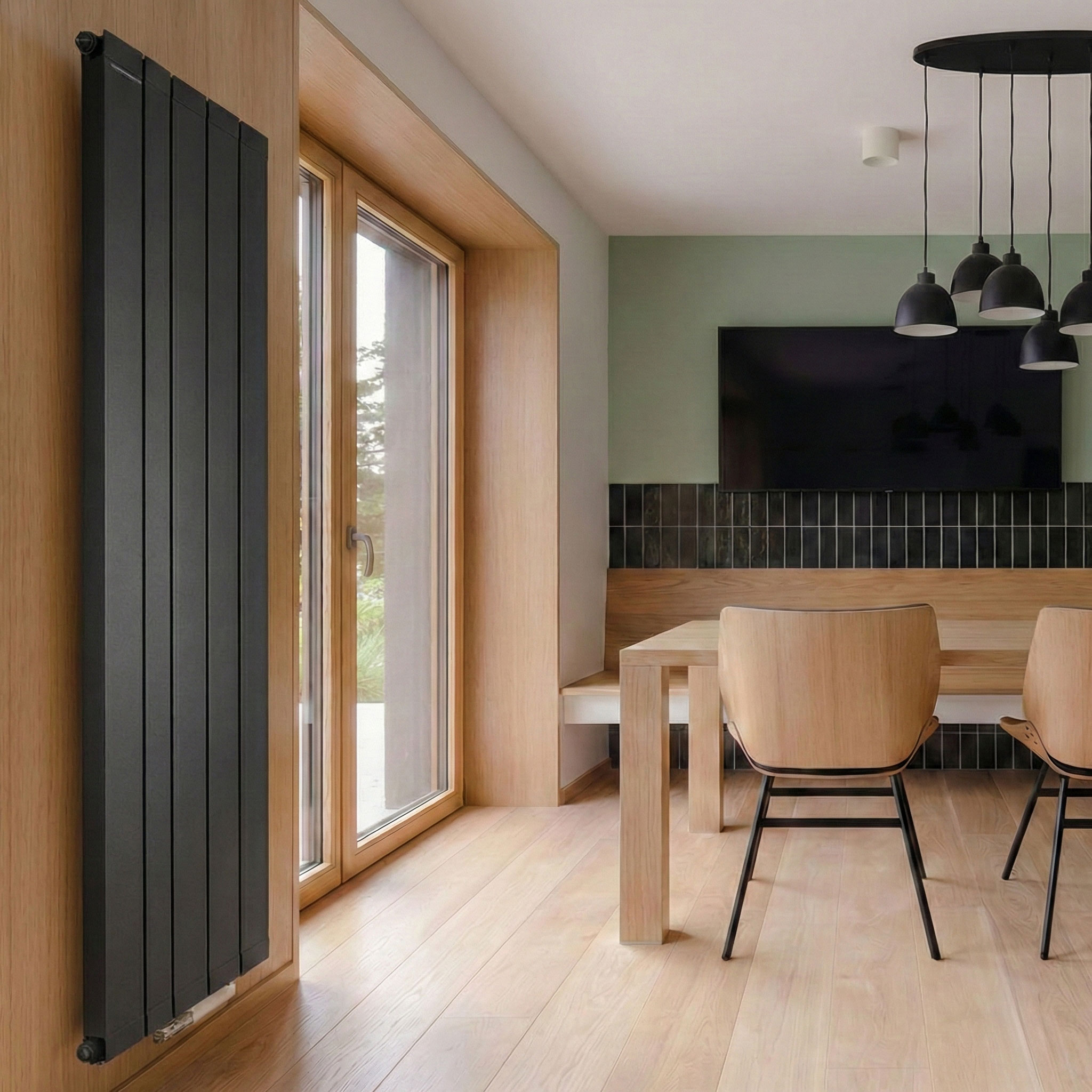
Many homes already have a functioning radiator system and pipework that can be reused when switching to a heat pump. Rather than replacing the entire heating infrastructure, modern air-to-water and geothermal heat pumps are designed to connect to existing systems and adapt to their operating conditions.
Heat pumps developed by KRONOTERM are engineered for compatibility with renovation projects, where radiator systems, higher flow temperatures, and varied building layouts are common.

Most existing radiator systems can remain in place when upgrading to a heat pump. Integration focuses on system compatibility, not replacement. This includes:
confirming sufficient heat output from existing radiators
ensuring correct flow rates and circulation
aligning control logic with the existing distribution system
KRONOTERM heat pumps are designed to operate reliably with flow temperatures up to 75 °C, which allows stable heating performance even in homes with traditional radiator layouts.

Older heating systems may require targeted technical optimisation, rather than full refurbishment. Typical measures include:
hydraulic balancing to ensure even heat distribution
fine-tuning circulation and flow settings
optimising selected rooms with higher heat demand
These adjustments improve comfort and system stability while preserving most of the original installation.
Successful integration always starts with a professional assessment. This typically includes:
evaluation of building heat demand
verification of radiator heat output
review of hydraulics and control strategy
With correct planning and setup, a heat pump can be seamlessly integrated into an existing radiator-based system, delivering reliable comfort, efficient operation, and long-term performance.
Radiator systems place different demands on a heat pump than underfloor heating. Homes with existing radiators often require stable operation at higher water temperatures, flexible integration into existing pipework, and control systems that adapt to real heating demand. Modern heat pumps designed for renovation projects meet these requirements and allow homeowners to upgrade to heat pump technology without major structural changes.
Required Flow Temperatures
Radiator systems typically require stable operation at higher water temperatures. A suitable heat pump must be designed to operate reliably at flow temperatures up to 75 °C, without relying on auxiliary heating.
Compatibility with existing heating systems
The heat pump should integrate with existing radiators, pipework, zones, and domestic hot-water systems. Renovation-ready systems prioritise integration over replacement.
Intelligent control and modulation
Advanced modulation and weather-based control allow the heat pump to adjust output continuously to real demand, ensuring stable comfort and avoiding unnecessary cycling.
Suitability for renovation and older homes
Homes with radiators often have varied heat demand and building layouts. A heat pump designed for renovation performs consistently across these conditions without structural changes.
Quiet operation and installation flexibility
Low sound levels and flexible unit placement are essential in residential environments, especially when systems are installed in occupied homes.
Correct sizing and professional assessment
Accurate system sizing based on building heat demand and radiator output is essential for comfort, efficiency, and long-term reliability.
| What to check when buying | Why it matters for radiators | What to look for |
|---|---|---|
| Flow temperature capability | Radiators often need higher water temperatures | Heat pump designed for stable operation of at least up to 65 °C |
| Control and modulation | Prevents overheating and cycling | Weather-based, adaptive control |
| Integration with existing system | Avoids unnecessary replacements | Weather-based, adaptive control |
| Performance in renovations | Older homes have variable heat demand | Designed for renovation, not only new builds |
| Noise levels | Radiator systems are common in dense areas | Quiet operation for residential use |
Choosing the right heat pump depends on how your home is heated, the level of renovation, and future energy needs. Homes with radiator-based heating benefit most from systems designed for radiator compatibility, intelligent control, and flexible integration — rather than solutions limited to low-temperature underfloor heating.
KRONOTERM heat pumps are designed to support radiator-based systems in both renovated and existing homes.
Yes. Most homes can operate a heat pump with existing radiators. Modern heat pumps designed for renovation projects can supply the higher water temperatures required by radiator systems and integrate into existing pipework without replacing the distribution system.
Radiators with sufficient heat output perform best. Modern panel radiators and low-temperature radiators are ideal, but many older steel or cast-iron radiators also work well. Suitability depends on heat output, not radiator age.
Optimisation typically includes hydraulic balancing, correct flow settings, and intelligent temperature control. In some cases, improving radiator output in individual rooms further enhances comfort and efficiency without replacing the entire system.
Radiator systems commonly operate between 50 and 65 °C, depending on building heat demand and outdoor conditions. Heat pumps designed for radiator use can operate efficiently across this range, including at higher temperatures during colder periods.
Not usually. In many homes, existing radiators provide sufficient heat output. Replacement is typically only considered if specific rooms cannot reach comfort levels. A room-by-room assessment is more effective than full radiator replacement.
The heating curve controls how the heat pump adjusts flow temperature based on outdoor temperature. A correctly set heating curve ensures stable comfort, avoids unnecessary overheating, and reduces energy consumption by matching output to real demand.
In many European countries, financial incentives are available for replacing fossil-fuel heating systems with heat pumps, including radiator-based installations. Eligibility and support levels vary by country and programme, so local schemes should be checked.
Yes. When designed for radiator operation, heat pumps maintain high seasonal efficiency even at radiator temperatures. For example, KRONOTERM systems achieve SCOP values at 55 °C up to 4.80 for air/water systems and up to 5.64 for geothermal systems, reflecting real-world radiator performance.