References

HIGH-TEMPERATURE ADAPT MAX HEATS A BUSINESS BUILDING WITH ITS EXISTING RADIATORS

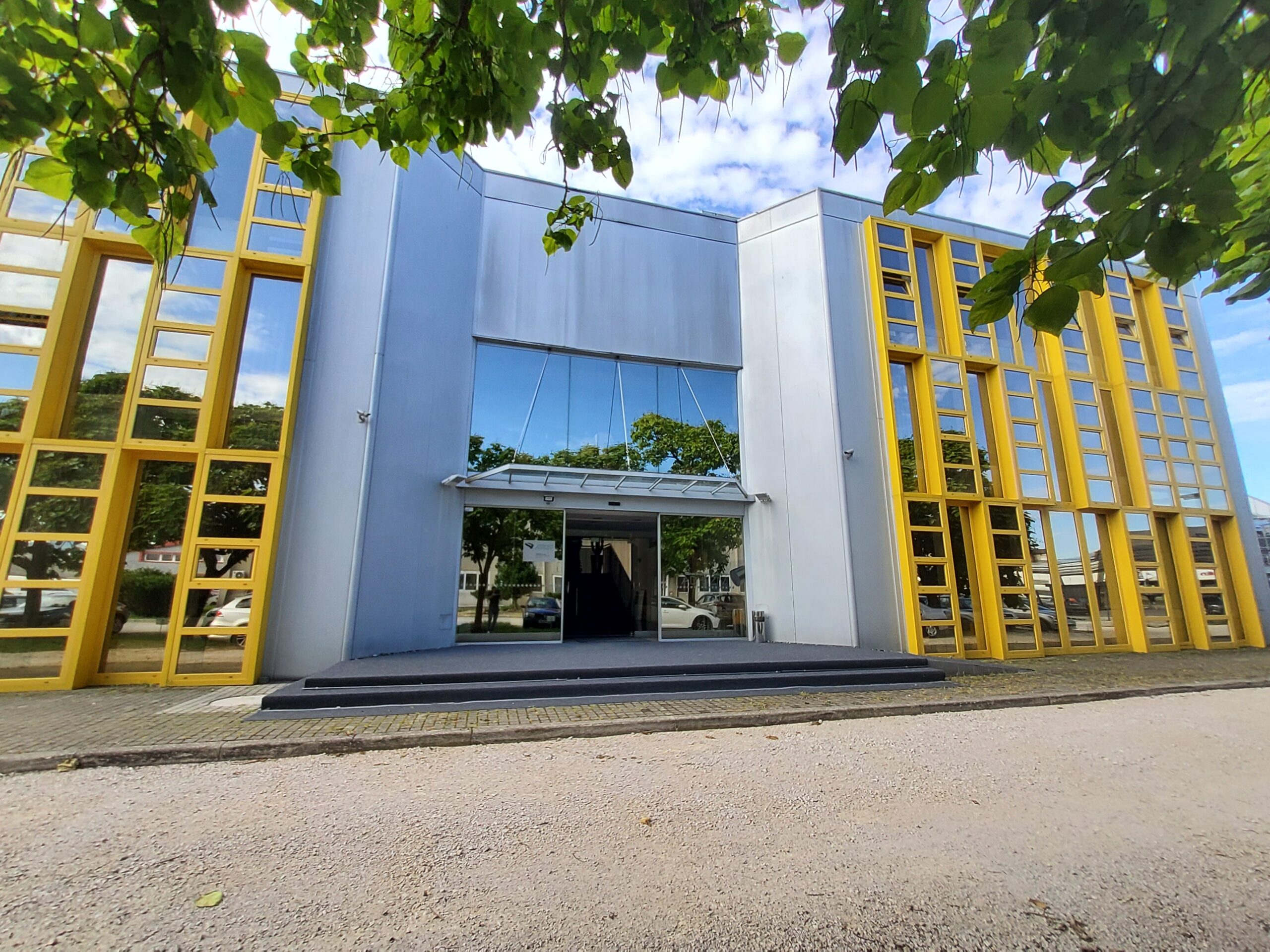
When a company took over a production and office building in Celje, it also took over a utility room that could no longer keep up. Electric radiators carried the building through the winter at the highest possible cost. A high-temperature ADAPT MAX on the roof now covers 70 kW through the existing radiators, without taking up a single square metre of the yard.
20250801_090311

When a company buys a building, it inherits the utility room along with it. In the case of a production and office building in Celje, that utility room brought more worry than benefit. The heat pump already installed could no longer cover the building’s demand, and indoor temperatures were too low for normal work. The answer the owners found for the winter under way was a stopgap: electric radiators. 


For a few days, that would hold. For a whole heating season, it is the most expensive way to heat there is, because an electric radiator turns every kilowatt hour of electricity into exactly one kilowatt hour of heat, with no ambient energy used at all. On top of the cost, uncertainty was building up: nobody knew whether the old system would last another winter. 


The decision was therefore clear. Instead of trying to rescue the old heat pump with partial repairs, they removed it and designed the utility room from scratch, around the commercial air/water heat pump KRONOTERM ADAPT MAX. 
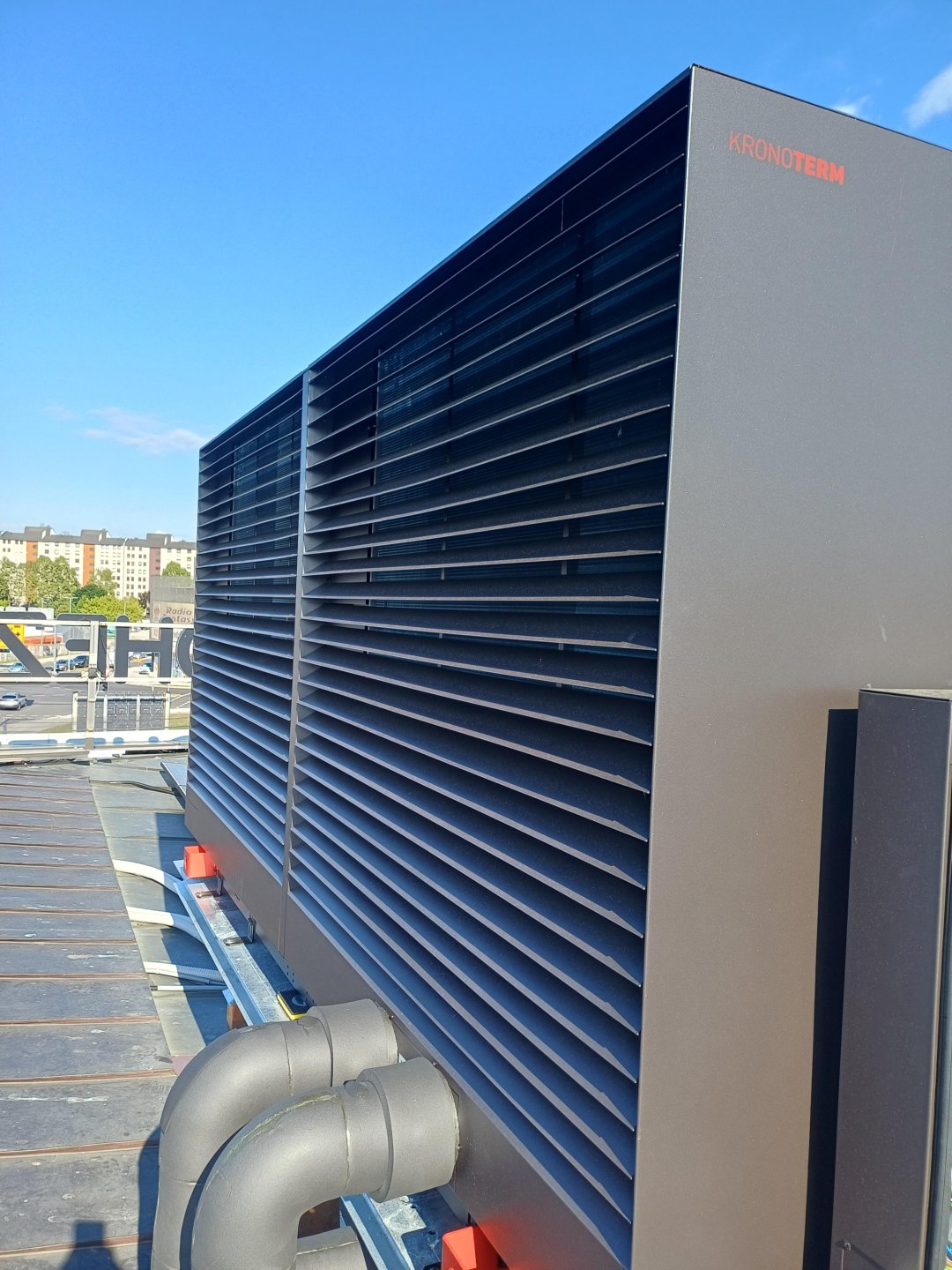
70 kW on the roof, without a single square metre of the yard

The building is heated by a high-temperature ADAPT MAX with a cooling option and a total heating capacity of 70 kW, installed on the roof. For a production and office building, that is a deliberate choice: 70 kW of capacity does not take up a single square metre of the yard and manoeuvring areas the company needs for its work. On the roof, the unit also has free access to outdoor air, with no shaded corners and no restricted airflow. 

The high-temperature version was the key: the unit can produce heating water hot enough that the existing radiators in the building did not have to be replaced. The saving on building work was there before the first day of operation. 

The rooftop position is also where the modular design of ADAPT MAX pays off most. The unit does not arrive on site as one large piece, but as pre-assembled and tested modules that can be lifted and put together at the installation point. On site, two pipe connections, the power supply and a communication cable are all that need connecting. The modules then work together through NMS™ technology, which keeps sound and vibration to a minimum, and with a unit sitting above working spaces that matters more than anywhere else. 

The second benefit of the modular design answers exactly what worried the owners most. If one module fails, the others take over its work, and a module can be replaced without shutting down the whole system. The building is not left without heat because of a single fault, and on the roof the service engineer deals with one module rather than the entire unit. 

20260519130524_20260519_084438

Control over consumption, not just over temperature

The system is connected to CLOUD.KRONOTERM, which gives remote oversight of operation, heating circuits, consumption and running costs. The unit records more than 30 operating parameters, so if anything goes wrong, the support team has immediate diagnostics without a site visit. With a unit on the roof, that brings another practical advantage: most questions can be settled without climbing up there. Operating schedules let heating and cooling follow the building’s working hours instead of heating empty spaces. 

Are you worried whether your heating system will last another winter? See what ADAPT MAX can do in business buildings and contact us today. 


Tags: , , , , , , , , ,

Read more