Knowledge

HOW TO MANAGE A POOL WITH A HEAT PUMP

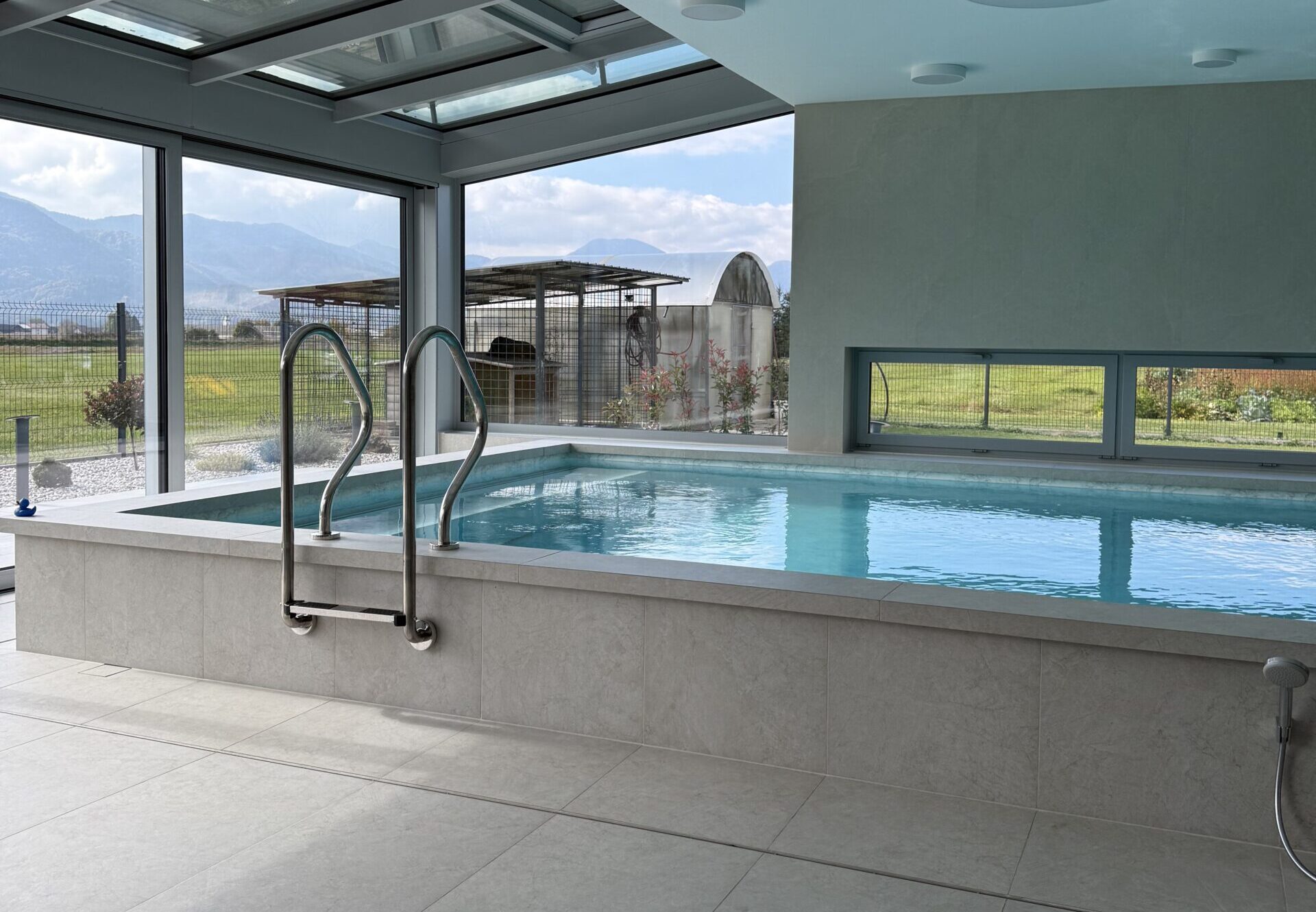
A pool is not just water that needs heating - it is a system that connects warm water, a pleasant indoor climate and comfort by the poolside. A modern heat pump handles all of this at once and treats the entire home as a single, integrated whole.
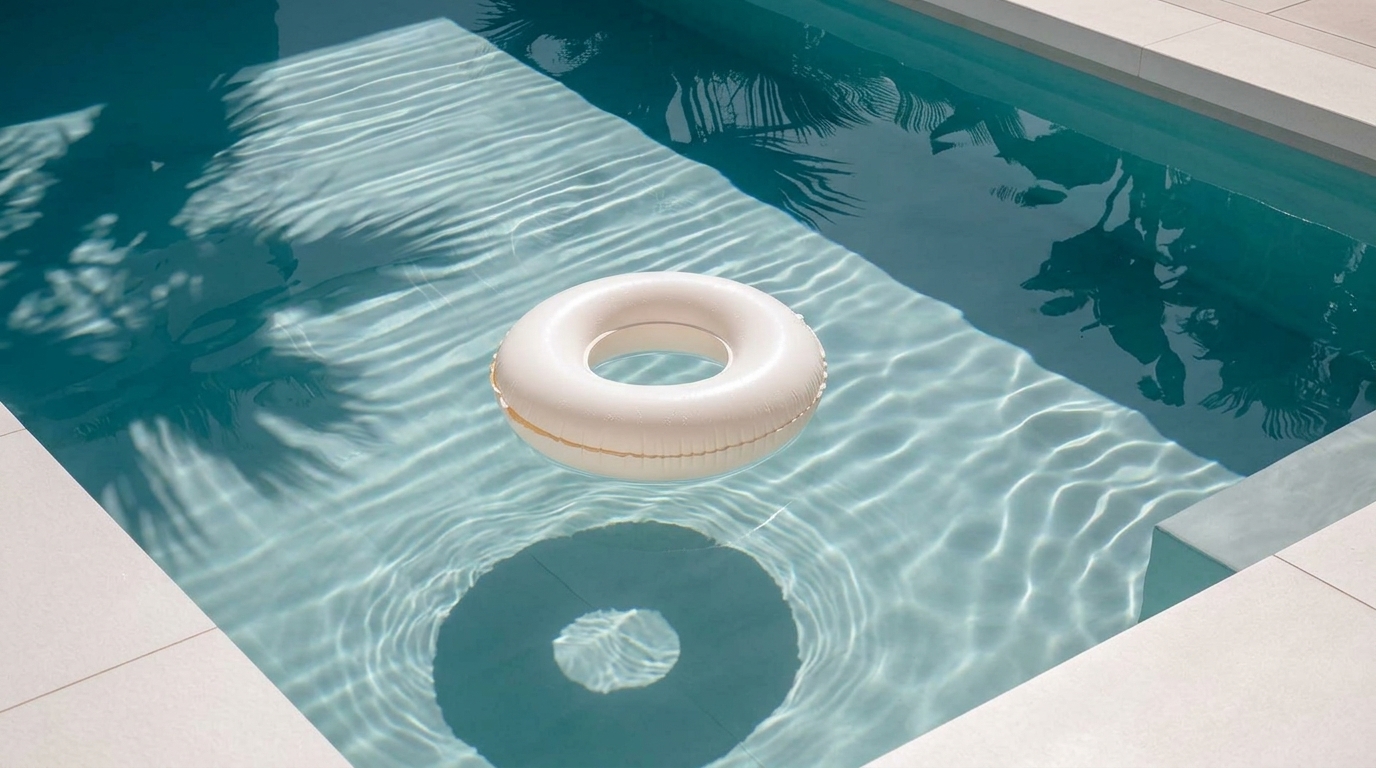
Small_home_pool_white_floatie_202607230922

A pool is not just water that has to be heated. It is a system that combines warm water, the right indoor climate and comfort by the poolside. A modern heat pump can manage all of this at once, treating the entire home as a single, integrated whole. This guide explains, step by step, which functions a pool needs, how to set them and how to get the most out of the system.

1. What can the system cover?

With a pool, and an indoor pool in particular, a heat pump does not look after just one thing. It has to cover four areas:

  • the pool water (heating and, when needed, cooling),
  • the floor around the pool (heating and cooling),
  • the air in the pool room (heating, cooling and dehumidification),
  • the rest of the home (heating, cooling and domestic hot water preparation).

When all of these functions run through a single unit, there is no need to coordinate them by hand. The system treats them as connected, and this is the starting point for every step that follows.

2. How to set the pool water temperature?

Set the water temperature according to how the pool is used. For recreational swimming, a comfortable range is usually between 27 and 29 degrees, and slightly higher for relaxed bathing. A simple rule applies here: every extra degree means higher energy use, so it makes sense to find a temperature that is both pleasant and rational.

Once the temperature has been reached, the heat pump maintains a stable value and reheats only as much as is needed to make up for heat losses. There is no need to change the set temperature often.

3. Take care of the air, not just the water

With an indoor pool, managing the air is just as important as the water temperature. Moisture is released from the warm water surface, so the pool room needs a controlled climate, not just heating. The goal is air that is suitably warm and, at the same time, suitably dry.

Dehumidification is therefore not an add-on but a permanent function of the system. When it is built into the same unit as water and floor heating, it works in step with them and continuously adapts to the conditions in the room. A warm floor around the pool adds further to the comfort.

20251013_094613282_iOS

4. Make the most of floor heating and cooling

The floor around the pool can be heated and, when needed, cooled. A warm floor is more comfortable to walk on barefoot and adds to the overall sense of wellbeing in the room. In warmer periods it makes sense to cool the floor and the air so the space stays pleasant. These settings are also part of the single system, so they work in harmony with water heating and dehumidification.

5. Adapt use to the seasons

A pool has different needs throughout the year, and operation can be adapted accordingly:

  • During the heating season the system gives priority to heating the home and maintaining the pool water, drawing heat from its source.
  • In the warmer months the focus shifts to cooling the rooms and the air in the pool room, while the water often needs less reheating.

With geothermal systems, the surplus heat removed from the building and the pool room in summer can be stored in the ground. The ground acts as a heat store from which the energy is drawn again in the next heating season. In this way energy is not wasted but circulates within the system.

6. Unified management in one place

The main advantage of a unified system is that every function is controlled in one place. Instead of dealing with separate instructions for a separate air-conditioning unit, a separate pool device and separate heating, everything is managed through a single interface.

You control the system from a smartphone, tablet or computer with the CLOUD.KRONOTERM application. All the settings and all the instructions are gathered in one place, so there is no need to think separately about what, when and how. With proper planning and configuration, managing a complex system is in fact simpler than coordinating several standalone devices.

A few practical tips for everyday use:

  • Set your desired values once and let the system maintain them, instead of making frequent manual changes.
  • Use schedules where possible, so that operation follows your rhythm of pool use.
  • Track changes through the app so you keep an overview of consumption and operation.

A heat pump does not treat the pool as a separate consumer but as part of the whole, together with the house. A single unit heats and cools the water, floor, air and rooms and prepares domestic hot water, and all of it is managed from one place. When the system is properly planned, using it is simple: you set the desired values, let the system maintain them, and adjust operation as needed to the season and your rhythm of use.

Thinking about a pool that will be part of your home’s unified system? Together we can find a solution where a single heat pump takes care of the water, floor, air and rooms, all managed from one place. Contact us and let us plan a system that is simple to use and efficient throughout the year.


Tags: , ,

READ ALSO